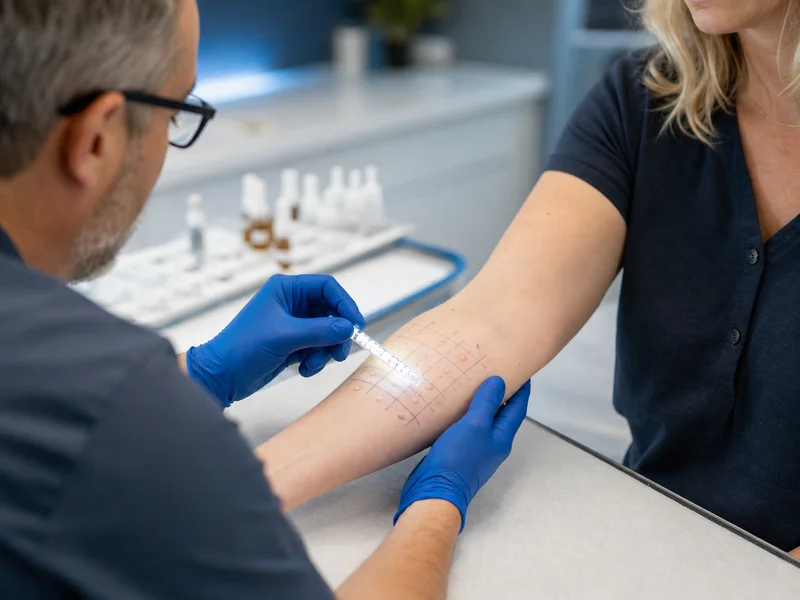


Mild redness, itching, or a small raised bump where you received your allergy shot is a normal reaction, and it usually fades within a day or two. The time to worry is when symptoms show up away from the injection site: hives, wheezing, throat tightness, swelling of the lips or tongue, dizziness, or vomiting. Those are signs of a systemic reaction, which is uncommon but can turn into an emergency quickly. If they appear, get medical help immediately, and call 911 if you have already left the clinic.
Why Allergy Shots Cause Reactions in the First Place
Allergy shots work by giving your immune system small, gradually increasing doses of the exact substance you react to. Over months of treatment, your body builds tolerance to triggers like pollen from trees, grasses, and weeds, dust mites, mold, and pet dander. That controlled exposure is the whole point of the treatment. It is also why some reaction at the injection site is expected rather than alarming.
Shots are a long-term option for allergic rhinitis, allergic asthma triggers, and other allergic diseases. Because every dose contains the thing you are allergic to, every dose carries a small chance of a reaction. Knowing the difference between a normal response and a warning sign is what keeps the process safe.
Normal Local Reactions After an Allergy Shot
Local reactions happen at or near the injection site on the back of your upper arm. They are common, expected, and rarely a cause for concern. You might notice:
- Redness or warmth around the site
- Itching at or near the injection spot
- A firm, raised bump under the skin
- Mild swelling or tenderness that peaks within a few hours
Most local reactions settle within 24 to 48 hours. A cool compress can take the edge off the itching and swelling. Still, mention every local reaction to your care team at the next visit, even a small one. The size and timing of local reactions can factor into how your provider manages your buildup schedule.
Systemic Reactions That Need Immediate Attention
A systemic reaction involves parts of the body away from the injection site, and it needs attention right away. Seek help immediately if you notice any of these symptoms of a severe allergic reaction:
- Hives, flushing, or itching spreading across the body
- Swelling of the lips, tongue, face, or throat
- Wheezing, coughing, chest tightness, or trouble breathing
- Difficulty swallowing or a hoarse voice
- Dizziness, lightheadedness, or fainting
- Nausea, vomiting, or stomach cramps
The most severe form is anaphylaxis, a whole-body reaction that can lower blood pressure and narrow the airway. Anaphylaxis is treated with epinephrine and is a 911 emergency every single time. Do not wait to see whether symptoms pass on their own, and do not drive yourself to care if your breathing is affected.
If you are still in the clinic when symptoms start, tell the staff immediately. This is exactly the situation the medical team is prepared for.
Why You Wait in the Clinic After Every Shot
Allergy shots are given in a medical office rather than at home for one reason: safety. Published guidance on allergen immunotherapy calls for an observation period after each injection because most serious reactions begin within about 30 minutes of the dose. Sitting in the waiting area afterward is not a formality. It keeps you steps away from staff, epinephrine, and emergency equipment during the highest-risk window.
Two more things are worth knowing. First, a reaction can occasionally return hours after the first wave of symptoms resolves, a pattern known as a biphasic reaction. Second, your risk is not identical at every visit. A dose increase, a heavy allergy season, or poorly controlled asthma can each raise the odds of a stronger response, which is why your care team checks in with you before each injection.
How to Lower Your Risk at Every Visit
You have more influence over allergy shot safety than you might think. A few habits make a real difference:
- Report how you felt after your last shot, including any delayed swelling at home.
- Update your medication list every time. Some medicines can change how your body handles an allergic reaction, so your provider needs to know about new prescriptions.
- Speak up about wheezing, chest tightness, a recent asthma flare, or an active illness before the injection is given.
- Ask about exercise timing. Many providers suggest avoiding vigorous activity for a period before and after the shot.
- Stay for the full observation window at every appointment, even when you feel fine.
At Core Medical Center, allergy care sits inside a medically directed rehabilitation center in Blue Springs, with medical staff in the same building for every injection. That structure exists precisely because of the small but real chance of a systemic reaction.
Frequently Asked Questions
How Long Should Redness and Swelling Last After an Allergy Shot?
Most local reactions peak within a few hours and fade within 24 to 48 hours. A cool compress can help in the meantime. If the swelling keeps growing, lasts more than two days, or is clearly larger than what you usually experience, call your allergy care team before your next dose.
Can an Allergy Shot Reaction Happen Hours After I Leave?
Yes, though it is not typical. Most serious reactions start within about 30 minutes, which is why you wait in the clinic, but delayed local swelling and, rarely, delayed systemic symptoms can show up later the same day. If hives, wheezing, throat tightness, or dizziness develop after you leave, call 911. Report any delayed reaction to your provider before your next injection.
What Counts as a Large Local Reaction?
There is no single official cutoff, but swelling that spans several inches, keeps enlarging, or lingers past two days deserves a call to your care team. Large local reactions are uncomfortable more often than they are dangerous. They still matter, because your provider may adjust your schedule in response.
Should I Take an Antihistamine Before My Allergy Shot?
Some clinics recommend premedication to reduce local reactions, while others prefer to see how you respond without it. Do not start, stop, or change any medication around your shots on your own. Ask your provider what fits your specific treatment plan.
When Should I Call 911 Instead of the Clinic?
Call 911 for any sign of a whole-body reaction: trouble breathing, wheezing, swelling of the throat or tongue, widespread hives, repeated vomiting, or feeling faint. If you have been prescribed epinephrine, use it as directed while help is on the way. Anaphylaxis can worsen within minutes, so do not wait it out and do not drive yourself.
Allergy shots help many people control symptoms that pills and sprays never fully managed, and in-clinic supervision is a core part of what makes the treatment safe. If you are considering immunotherapy, or you have questions about a reaction you have already had, the medical team at Core Medical Center can walk you through it. Our allergy testing and immunotherapy program identifies what you actually react to and builds your treatment plan around it, with every injection given under medical observation. Same-week appointments are typically available at our Blue Springs clinic, serving patients across the greater Kansas City metro, with a second location in Overland Park, Kansas.