
If you’re trying to understand what to expect during injury rehab, the process usually starts with one practical question: what do you need your body to do again? Pain may be the reason you schedule care, but the larger goal is getting back to movement that feels safer, steadier, and more reliable.
An injury can change more than the area that hurts. A shoulder problem may affect how you lift. A knee injury may change your walk. A back or neck issue can make work, driving, or sleep harder than usual.
At Core Medical Center, a structured injury rehabilitation program connects those limits to a care plan that supports real-life progress.
What Are the Four Phases of Injury Rehab?
Injury rehab usually moves through four phases: calming irritation, restoring motion, building strength and control, then preparing for the demands of work and daily life. Each phase starts when your body is ready for it. Most plans are measured in weeks, and the timeline depends on the injury, your health history, and your goals.
Rehabilitation is care that helps you get back abilities you need for daily life after an injury, an illness, or surgery, according to MedlinePlus guidance on rehabilitation. Even with those differences in timing, the process often follows a general path.
Phase 1: Reducing Irritation
Early visits may focus on helping the painful area calm down enough to move better. This can include gentle mobility work, manual therapy, education, and short home exercises.
The goal is to reduce guarding without asking the body to do too much too soon.
Phase 2: Restoring Motion
Once symptoms become less reactive, care may focus more on range of motion and movement quality. This step can help you stop avoiding normal positions or compensating with nearby joints.
Better motion can also make strengthening safer and more effective.
Phase 3: Building Strength and Control
Strength is usually added in a gradual way. The goal is to help the injured area and the muscles around it support daily activity again.
This part of an injury rehab program may begin with simple movements and progress toward harder tasks. That could include balance, resistance work, walking tolerance, lifting mechanics, or job-specific practice.
Phase 4: Preparing for Daily Demands
The later phase should connect care to what your life actually requires. For some patients, that means exercise or household tasks. For others, it means a safe return to work with clear expectations.
What Happens at Your First Rehab Visit?
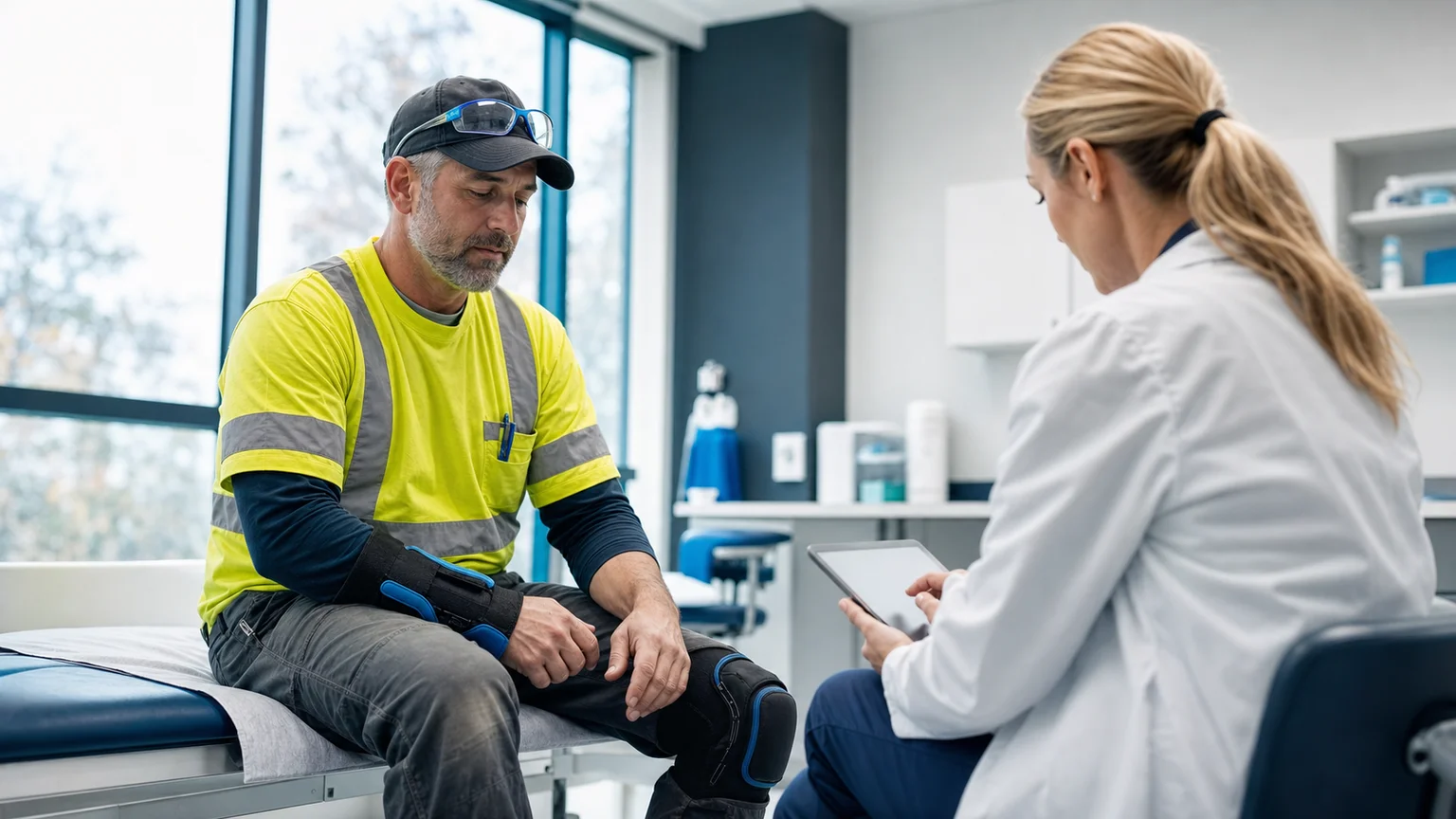
Your first visit is an evaluation. It should clarify how the injury happened, which movements feel limited, how symptoms change during the day, and what you need to return to safely.
The evaluation also looks at the areas around the original problem. After a fall, surgery, auto accident, lifting injury, or repetitive strain, the body may start protecting itself. Muscles can tighten, joints can stiffen, and movement can become less natural.
That protective response may help at first, and it can slow progress when it continues for too long. Your exam may include:
- Strength checks and range of motion testing
- Balance assessment and posture review
- Movement screening for the tasks you do at work and at home
It helps to bring any imaging reports, surgical notes, a list of your medications, and comfortable clothes. If the injury happened at work, bring your claim number and a description of your job duties.
What a Rehab Plan Is Designed to Do
An injury rehab program should help restore the way your body handles everyday demand. That may include reaching, bending, walking, gripping, lifting, climbing stairs, standing through a shift, or sitting without symptoms building.
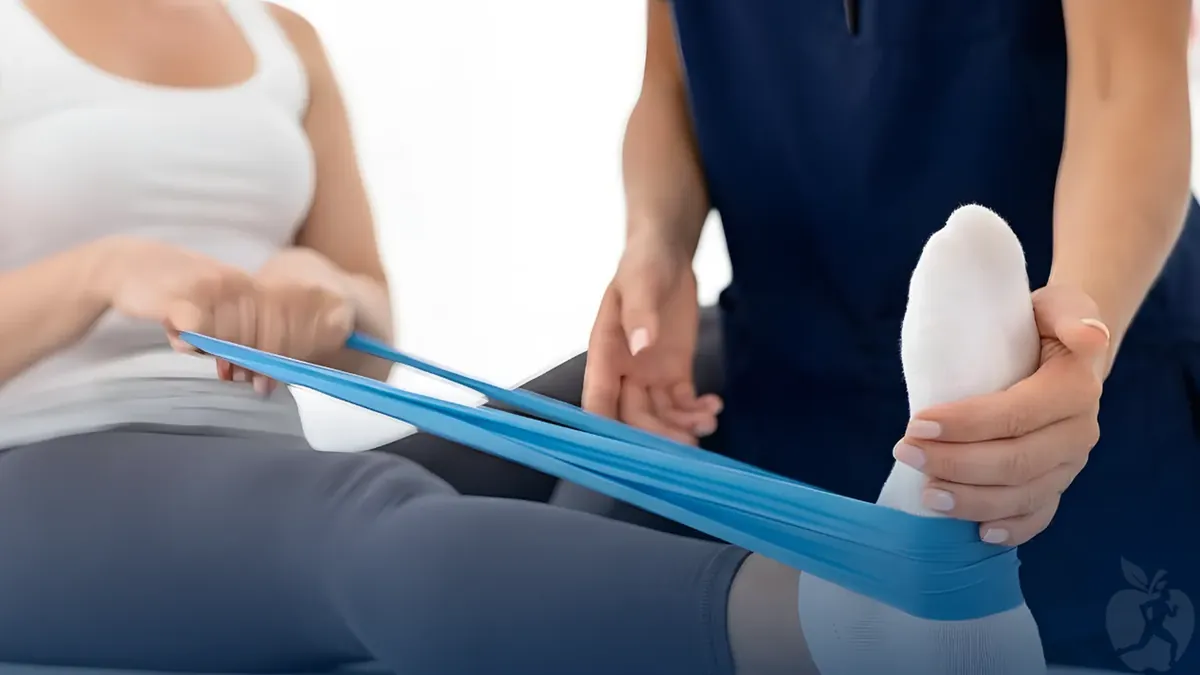
The plan may include guided therapeutic exercise, hands-on care, mobility work, balance training, strengthening, and a home program. Each part should have a purpose.
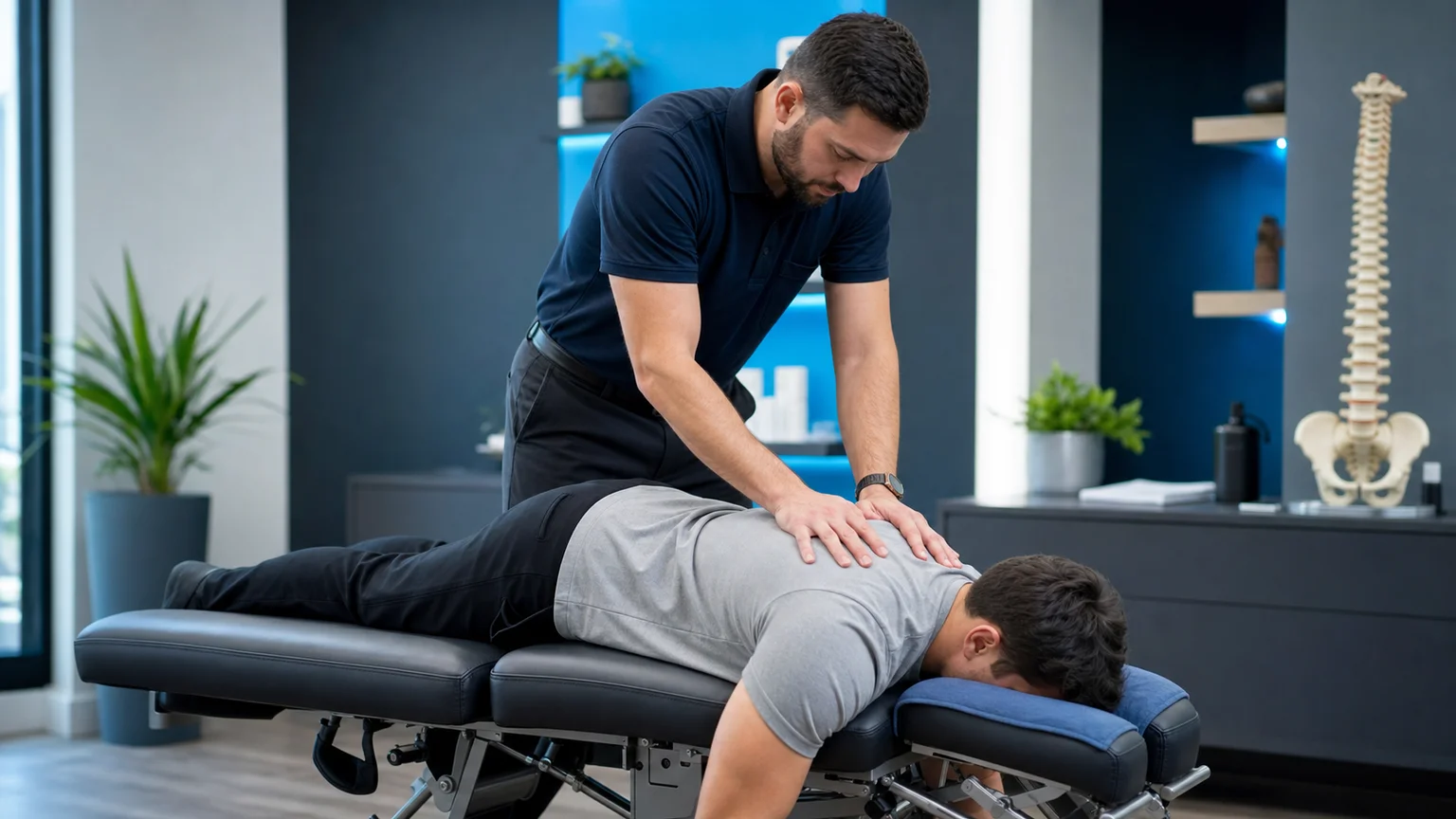
At Core Medical Center, our lead physical therapist, Matt Elniff, PT, MPT, FAAOMPT, directs hands-on recovery and progressive strengthening. When joint mechanics are part of the problem, Dr. Devyn Chapman, DC, brings his chiropractic care into the plan.
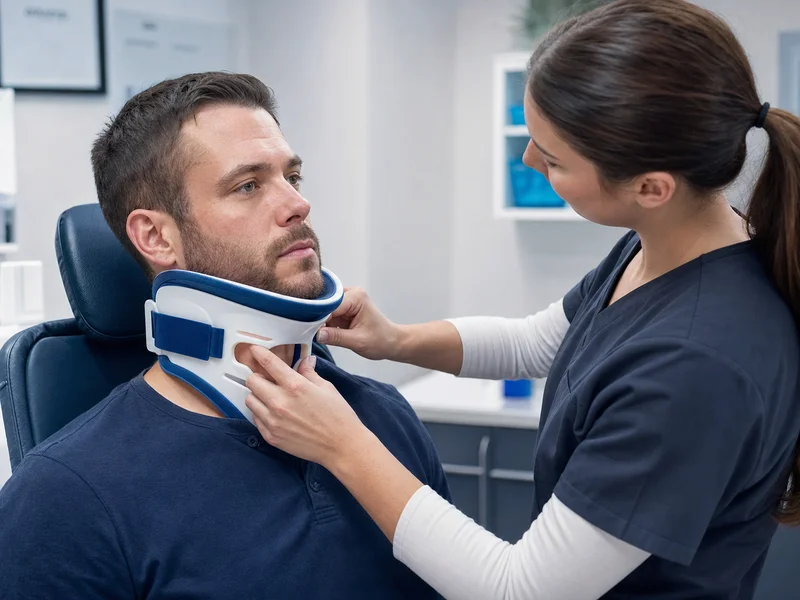
We may support recovery for neck, back, shoulder, elbow, hand, wrist, hip, knee, foot, and ankle injuries. The injured area is important, and so is your daily routine. A plan for a desk worker should look different from one for a delivery driver, nurse, mechanic, warehouse employee, teacher, or first responder.
How Often Will I Go to Rehab?
Visit frequency depends on your injury, how irritable it is, and how quickly you respond. Your provider sets a schedule at the evaluation and changes it as you improve, so the number of visits is not fixed in advance.
As you move into the later phases, more of the work often shifts to your home program, with visits used to check progress and add new challenges.
Is Soreness Normal During Rehab?
Some muscle soreness is normal when rehab asks your body to do more than it is used to. Physical therapists explain that normal exercise soreness peaks 24 to 72 hours after activity and fades on its own within a few days. Sharp pain, or pain that keeps building, is different and worth reporting.
Progress doesn’t have to be perfect, but it should give us useful information. Symptoms shouldn’t stay stuck week after week without a closer look.
A reassessment may review strength, flexibility, walking mechanics, lifting patterns, job tasks, or whether another condition is slowing your progress. That gives the process direction and allows care to change as your body changes.
When Workers’ Comp Rehab Is Part of the Process
A work-related injury can feel stressful because recovery is only one part of the situation. You may also be dealing with claim paperwork, employer communication, job restrictions, and pressure to return before you feel ready.
Workers’ comp rehab should connect treatment with the tasks your job requires. That may include lifting, carrying, standing, walking, reaching, bending, driving, or repetitive motion.
We help patients recovering from workplace injuries with care that considers symptoms, physical demands, and progress over time. Clear documentation can also help employees, employers, adjusters, and case managers stay aligned on what is improving, what still needs support, and what steps come next.
Return to Work Should Be Based on More Than Pain
A safe return to work should consider strength, endurance, mobility, coordination, and how your body responds after activity. Feeling better during one appointment doesn’t always mean you’re ready for a full shift or repeated job tasks.
Time away from work carries its own costs. Federal researchers at NIOSH link work-related disability to negative health and social outcomes, which is one reason a planned return matters.
Some patients may need temporary restrictions. Others may benefit from a gradual increase in hours, lifting, walking distance, standing time, or repetitive movements. In Missouri, for example, an injured worker may be released to light or modified duty under Missouri workers’ compensation before returning to full duty.
For a desk-based role, the focus may include posture, sitting tolerance, neck mobility, or back support. For a more physical job, the plan may involve lifting mechanics, carrying, stairs, balance, or grip strength. A careful transition back to job duties can help reduce the chance of pushing too fast and restarting symptoms.
What Happens Between Appointments
The work you do outside the office can influence how your body responds. A home program may include mobility exercises, strengthening, posture changes, walking goals, activity pacing, or movement practice.
Those steps should be realistic. A plan that doesn’t fit your routine is harder to follow, even when the exercises are useful.
During recovery, it can help to track what improves, what causes a flare, and which activities still feel difficult. Those details help us adjust care from week to week.
Rehab Close to Work and Home in Blue Springs and Overland Park
When appointments are easier to reach, it is simpler to stay consistent. Our outpatient rehabilitation center in Blue Springs is at 1131 W. Main Street, Suite C, Blue Springs, MO 64015. It is an easy drive from Grain Valley, Lake Tapawingo, and the rest of eastern Jackson County.
On the Kansas side, our Overland Park clinic on Barkley is at 10520 Barkley, Suite 120, Overland Park, KS 66212. It sits close to I-435, College Boulevard, and Corporate Woods for patients across Johnson County.
Moving Forward With a Clearer Rehab Plan
Understanding what to expect during injury rehab can make the process feel less uncertain. A strong plan usually starts with an evaluation, then moves toward better movement, strength, stability, and activity-specific goals.
If an injury is still limiting how you move, work, or handle normal routines, start injury rehab with our team and get a plan that connects your symptoms to daily life.
Frequently Asked Questions
How Will I Know My Rehab Plan Is Working?
Your provider builds your timeline at the first visit from measured strength, range of motion, and function, then re-checks those same measures as you progress. Recovery time depends on the injury, its severity, and how long it has been present, so the plan and timeline are adjusted as those numbers change. Many plans are measured in weeks.
Does a Work Injury or Accident Claim Change How I Start Rehab?
It can add steps. Most patients can book an evaluation directly without a referral, and our front desk will confirm what your specific plan or claim requires when you schedule. If you are recovering from a work injury or accident, bring any related paperwork so we can coordinate your documentation.
Is It Normal to Be Sore After Rehab?
Mild muscle soreness for a day or two after a new or harder session is common. Let your provider know about sharp pain, swelling, numbness, or pain that keeps getting worse, so the plan can be adjusted.
Does Workers’ Comp Cover Injury Rehab in Missouri and Kansas?
Workers’ compensation in both states includes medical benefits for a work injury. In Kansas, injured workers are entitled to reasonably necessary treatment, including physical therapy, and the employer or insurer selects the authorized provider. Check with your adjuster before your first visit so your care is authorized.
What Should I Bring to My First Rehab Visit?
Bring your photo ID, insurance card, a list of medications, and any imaging or surgical reports. For a work injury, add your claim number, your adjuster’s contact details, and a short description of your job tasks. Wear clothes that let you move the injured area easily.