
Soft tissue heals in three phases after a car accident: inflammation, repair, and remodeling. Inflammation starts within minutes of the crash and usually dominates the first several days. Repair follows, as your body builds new collagen over the next several weeks. Remodeling is the longest phase, often continuing for months to a year or more while that new tissue strengthens and reorganizes to handle normal movement again.
Why Car Accidents Are Hard on Soft Tissue
Soft tissue means your muscles, tendons, and ligaments. In a collision, force moves through your body faster than those tissues can react. Fibers stretch past their limits and tear. The result is the familiar family of sprains and strains, some of the most common crash injuries.
The best-known example is whiplash, where the head snaps backward and forward and overloads the neck. Cleveland Clinic notes that whiplash symptoms often take hours or days to appear. That is why so many people feel fine at the scene and sore by the weekend.
Areas that commonly take the hit include:
- The neck and upper back
- The lower back
- The shoulder crossed by the seatbelt
- Knees, wrists, and ankles braced against the wheel or floor
Wherever the injury sits, the healing that follows runs through the same three phases.
Phase 1: Inflammation
Inflammation is your body’s emergency response. Blood vessels widen. Fluid and immune cells rush into the damaged area. You feel it as swelling, warmth, stiffness, and pain that flares when you move.
It feels like the problem, but inflammation is actually the start of the repair. Your body is clearing out damaged cells so new tissue can be built. This phase typically runs from the moment of injury through roughly the first week.
What matters most during inflammation:
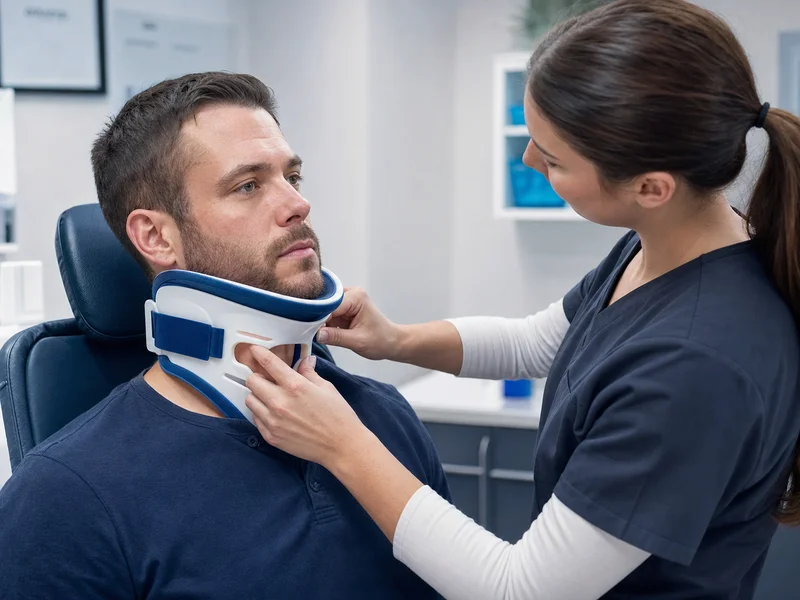
- Get evaluated. A provider can rule out fractures, disc injuries, and other problems that mimic a simple strain.
- Document the injury. Early records protect your health and support any insurance claim.
- Protect without shutting down. Gentle, guided movement usually serves you better than total bed rest.
Phase 2: Repair
Once the site is cleared, your body shifts into construction mode. In the phases of wound healing, this is called the proliferative stage. Cells called fibroblasts lay down new collagen fibers, the raw material of scar tissue.
Here is the catch. That early collagen is laid down quickly and in random directions. It is weaker and less flexible than the tissue it replaces. This phase generally spans the several weeks after the initial inflammation settles.
Treatment during repair is about quality control:
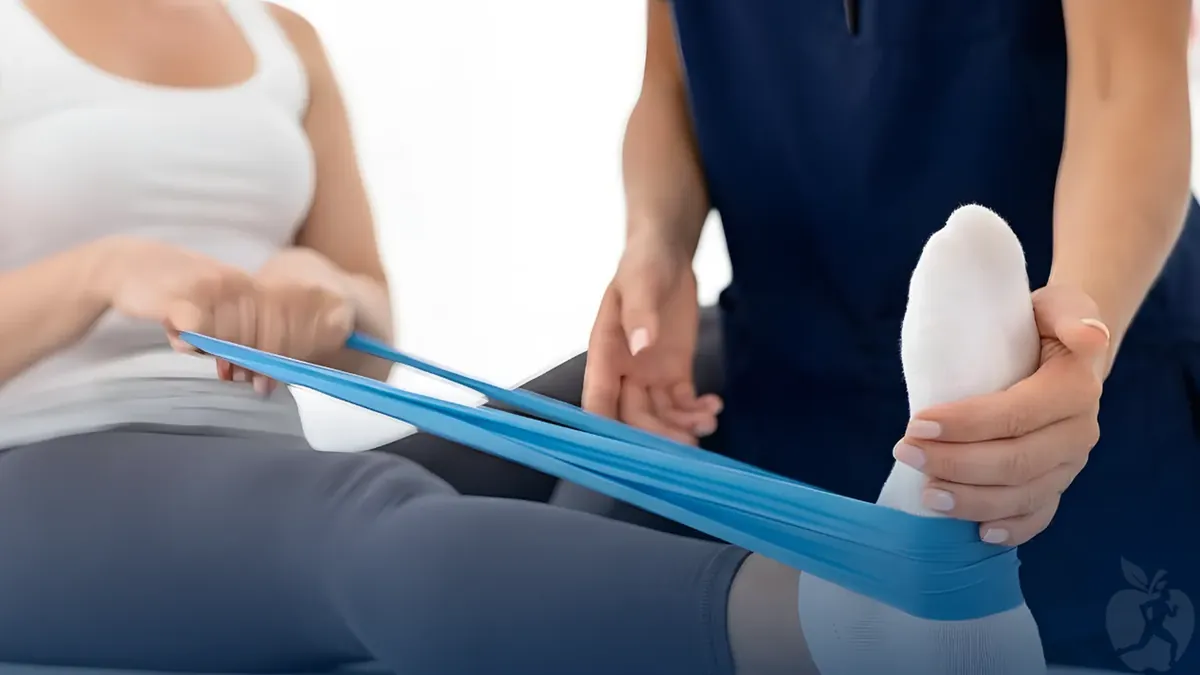
- Controlled movement and specific exercises encourage new fibers to line up along the lines of normal stress.
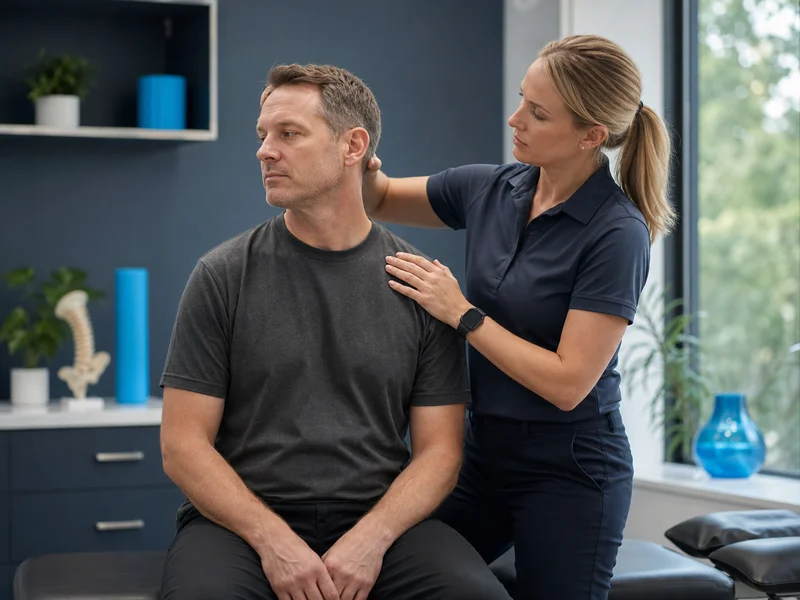
- Hands-on care and guided stretching help you keep your range of motion while the tissue forms.
- Too much load too soon can re-tear the site and restart the inflammation clock.
Phase 3: Remodeling
Remodeling is the long game. Over months, sometimes a year or more, your body replaces that quick patch with stronger, better-organized collagen. Tissue adapts to the demands you place on it.
That is the key point of this phase: the stress you apply now shapes the tissue you live with later. Progressive strengthening teaches the repaired area to handle real life, like lifting, turning your head to check a blind spot, or sitting through a full workday.
Many people skip this phase because the pain has faded. But tissue that never gets loaded properly can stay weak, stay stiff, and re-injure easily.
Why Early Treatment Matters in Every Phase
These phases happen whether or not you get care. The difference is how well each one goes. Untreated injuries can heal short, weak, and misaligned, which sets the stage for recurring stiffness and chronic neck pain. Pain that outlasts the normal healing window can become chronic pain, a problem of its own.
Getting checked at an auto accident clinic soon after a crash gives you:
- An accurate diagnosis before symptoms fully surface
- A treatment plan matched to the phase you are in
- Records that clearly connect your injury to the accident
- A baseline to measure your recovery against
How Care Changes as You Heal
Phase-matched care is the whole point of an integrated clinic. At Core Medical Center, medical providers, chiropractors, physical therapists, and rehabilitation staff work under one roof, so your plan can shift as your tissue does. The approach comes from the same occupational health services discipline we use with injured workers: evaluate early, document clearly, and treat by phase.
In practice, that usually looks like this:
- Inflammation phase: medical evaluation, pain management, and gentle early movement
- Repair phase: chiropractic care and physical therapy to guide new tissue as it forms
- Remodeling phase: rehabilitation and progressive strengthening for a full return to activity
Frequently Asked Questions
How Long Does Soft Tissue Take to Heal After a Car Accident?
Mild strains may settle within a few weeks, while more significant injuries can take months, and remodeling can continue for a year or more. Timelines vary with age, overall health, injury severity, and how the injury is managed. A provider can give you a realistic estimate after an exam.
Why Did My Pain Show Up Days After the Crash?
Adrenaline and stress hormones can blunt pain right after an accident, and inflammation builds over the first day or two. Delayed soreness is common, especially with neck injuries. That is one reason to get evaluated soon after a crash even if you feel fine.
Can Soft-Tissue Injuries Heal on Their Own?
The healing phases run on their own, but the quality of the result is not guaranteed. Without guided movement and progressive loading, tissue can heal weaker, stiffer, or poorly aligned. Care during each phase aims to shape a stronger outcome, not just wait out the pain.
Should I Rest or Stay Active While I Heal?
Most soft-tissue injuries respond better to guided, gradual movement than to long stretches of bed rest. The right amount and type of activity depends on your injury and the phase you are in. Ask a provider to map out what is safe for you at each stage.
What Happens If Scar Tissue Heals Poorly?
Disorganized scar tissue can leave an area stiff, weak, and prone to re-injury. Some people also develop lingering pain that outlasts the original injury. Structured rehabilitation during the repair and remodeling phases is designed to lower that risk.
If you were in a crash anywhere in the Greater Kansas City metro, do not let the pain make the decision for you. Core Medical Center is an integrated medical clinic with locations in Blue Springs, MO and Overland Park, KS, and same-week appointments are typically available. Come see us during the inflammation phase, and we will help you get the next two phases right.