
When you are recovering from an injury, a surgery, or a chronic condition, two terms tend to come up again and again: physical therapy and rehabilitation. People often use them interchangeably, and they are closely related, but they are not the same thing. Knowing the difference helps you ask better questions, set realistic expectations, and choose the care that actually fits your situation.
Here in the Kansas City area, our team at Core Medical Center sees patients every week who are not sure which path they need. Let’s clear it up.
What Is Physical Therapy?
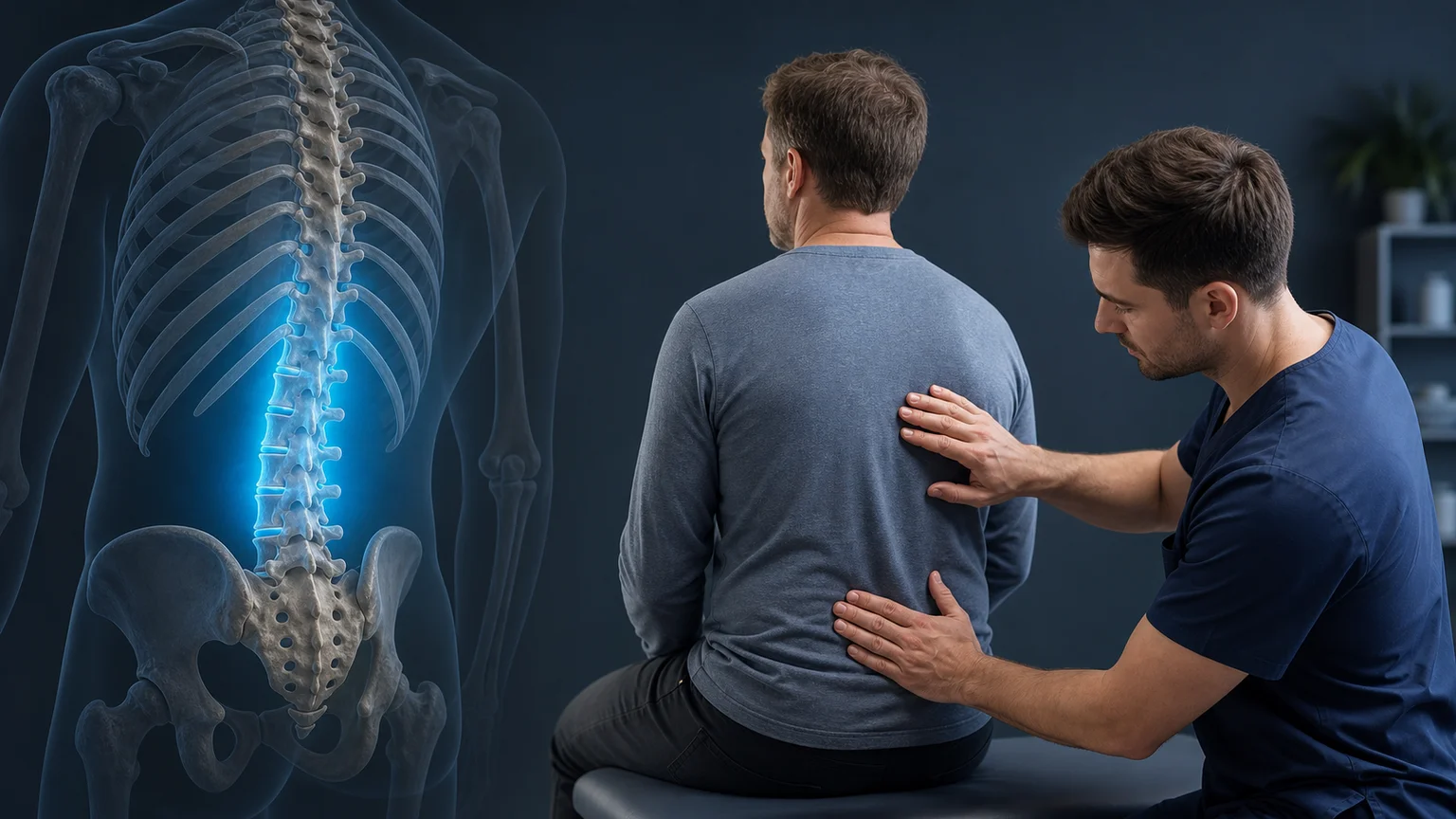
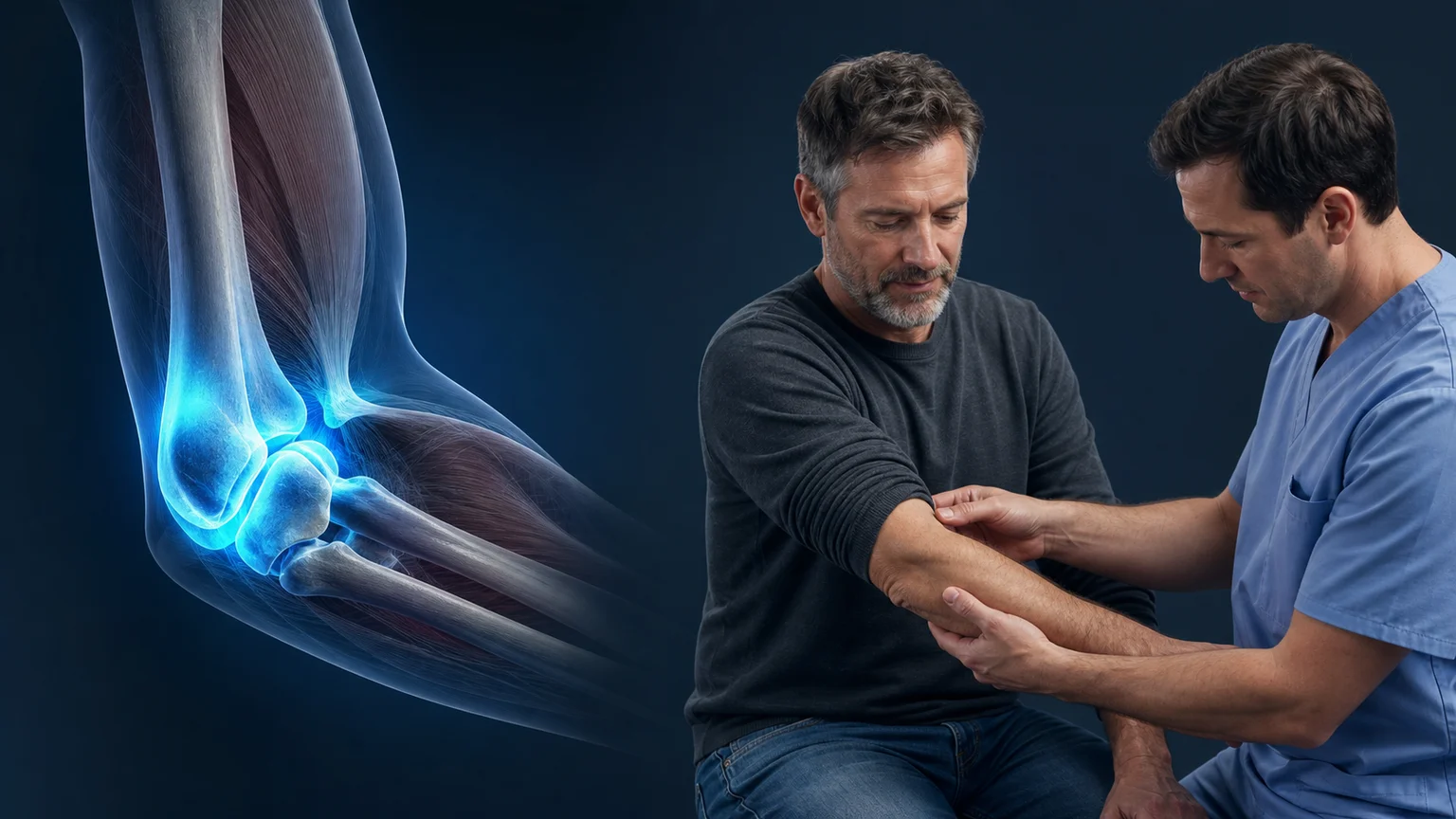
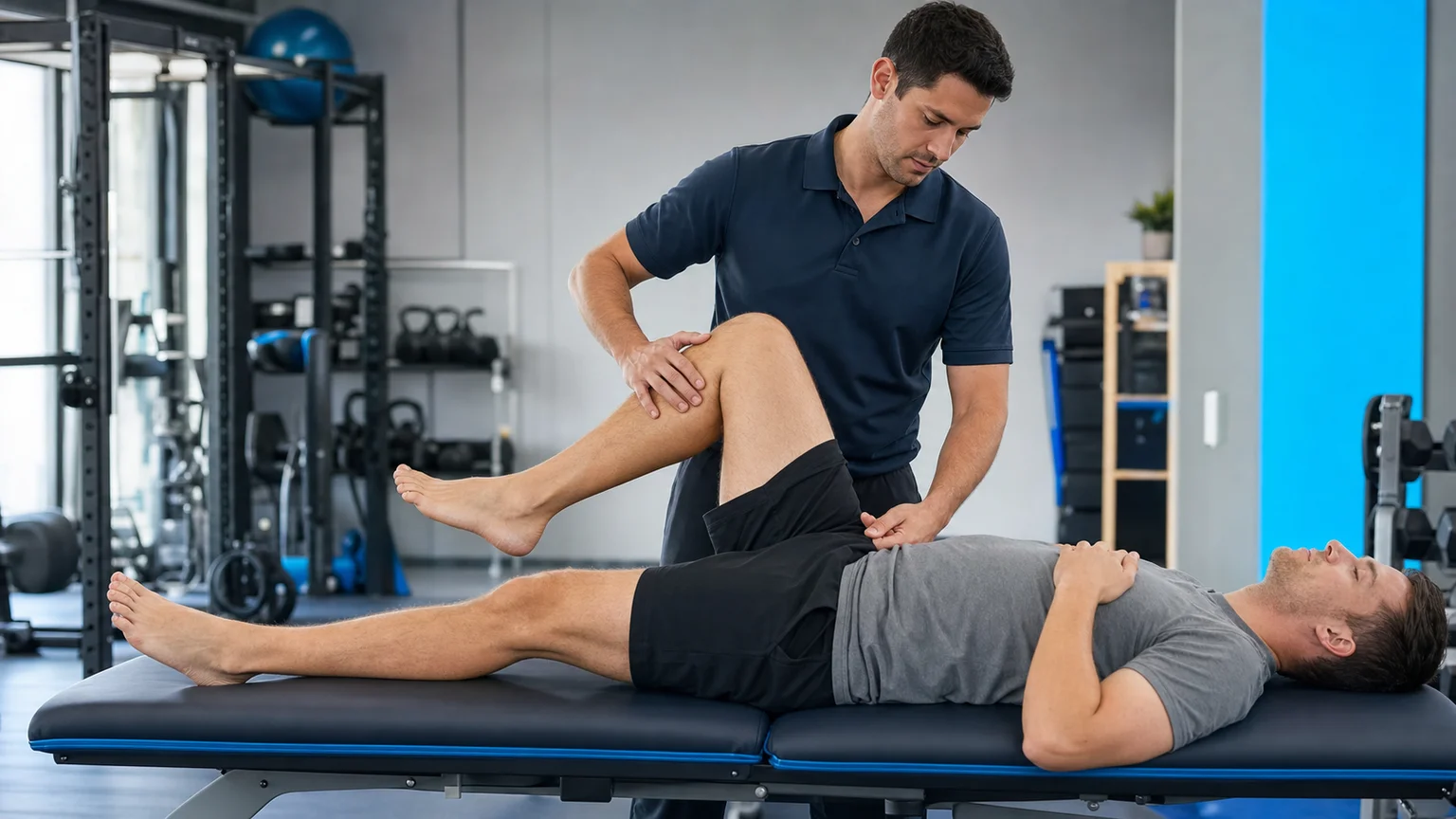
Physical therapy, often shortened to PT, is a focused type of treatment built around movement, function, and mobility. A licensed physical therapist guides the process using targeted exercises, hands-on manual therapy, and modalities such as heat, ice, ultrasound, or electrical stimulation.
People come to physical therapy for goals like these:
- Restoring range of motion after an injury or surgery
- Strengthening muscles and improving flexibility
- Reducing pain and inflammation
- Improving balance and coordination
- Preventing the next injury before it happens
The defining feature of PT is that it is specialized and goal driven. It usually zeroes in on a specific area of the body, such as a knee, a shoulder, or the lower back, and works that area through a structured plan until function returns.
What Is Rehabilitation?
Rehabilitation is the bigger picture. It is a broader, more comprehensive process aimed at restoring your overall function and quality of life. Physical therapy can be one part of a rehabilitation plan, but rehab often pulls in several disciplines at once.
Depending on the person and the diagnosis, rehabilitation may include:
- Physical therapy
- Occupational therapy
- Speech therapy
- Psychological counseling
- Pain management
- Nutritional support
Rehabilitation is most often used after major medical events such as a stroke, a serious traumatic injury, a significant surgery, or a chronic illness. The aim is to help you regain as much independence and day-to-day function as possible. That means addressing not only the physical body but also the emotional, cognitive, and social sides of getting back to your life.
The Key Differences at a Glance
| Aspect | Physical Therapy | Rehabilitation |
|---|---|---|
| Scope | Focused on movement and physical function | Comprehensive, whole-person recovery |
| Providers | Physical therapists | A multidisciplinary team |
| Goal | Restore mobility and strength | Restore overall function and independence |
| Duration | Often shorter term | Can run longer term |
A simple way to remember it: physical therapy is a specific tool, and rehabilitation is the full toolbox. One can exist inside the other, but they answer different needs.
Which One Do You Actually Need?
The right choice depends entirely on your situation. If you are bouncing back from a weekend sports injury, a strain, or a minor procedure, physical therapy on its own is often all you need to get moving again. The plan is targeted, the timeline is usually shorter, and the focus stays on one problem area. For active patients returning to training or competition, a sports and athletic rehab program can rebuild strength safely and lower the odds of a repeat injury.
If you have been through something larger, like a stroke, a complex surgery, or an injury that affects more than one part of your life, a comprehensive rehabilitation program tends to be the better fit. When several systems need attention at the same time, coordinated care across multiple providers gives you a stronger and more complete recovery.
Many people fall somewhere in between, and that is exactly where a thorough evaluation matters. The same nagging shoulder or back issue can call for straightforward chronic pain management in one person and a fuller plan in another. The only way to know is to be assessed by a team that looks at the whole picture rather than a single symptom.
How Core Medical Center Approaches It
As an integrated medical clinic serving Blue Springs, Overland Park, and the greater Kansas City metro, we are set up to handle both ends of this spectrum under one roof. Our providers can build a focused physical therapy plan when that is what the body needs, or coordinate care across our broader physical therapy and rehabilitation services when your recovery calls for more than one type of care.
Either way, the plan is built around your specific goals, not a one-size-fits-all template. We walk through your history, your daily demands, and what “recovered” actually looks like for you, then map the treatment to match.
If you are not sure whether you need focused physical therapy or a full rehabilitation plan, the best next step is a conversation. Learn more about our physical therapy services or reach out to schedule a consultation, and we will help you find the right starting point for your recovery.
Frequently Asked Questions
Is physical therapy the same as rehabilitation?
No. Physical therapy is a focused treatment centered on movement, strength, and mobility, usually for one area of the body. Rehabilitation is a broader, whole-person process that can include physical therapy along with occupational therapy, pain management, counseling, and other services. Think of physical therapy as one tool inside the larger rehabilitation toolbox.
How do I know which one I need?
It depends on the size and complexity of your condition. A weekend sports strain or a minor procedure usually responds well to physical therapy alone, while a stroke, major surgery, or an injury affecting several systems often calls for a coordinated rehabilitation plan. The clearest way to decide is a hands-on evaluation, since the same symptom can require different paths in different people.
Do I need a referral to start physical therapy in Kansas City?
In many cases you can begin an evaluation without a physician referral, though some insurance plans still require one before they cover care. Our team in the Blue Springs and greater Kansas City area can verify your benefits and explain any referral requirements before you start. We will help you avoid surprises and get moving as quickly as possible.
How long does physical therapy usually take?
Physical therapy is often shorter term than full rehabilitation, but the timeline still depends on your injury, your goals, and how your body responds. A simple strain might resolve in a few weeks, while recovery from surgery can take several months of consistent visits and home exercise. Your therapist will set realistic milestones and adjust the plan as you progress.
Can Core Medical Center handle both physical therapy and rehabilitation?
Yes. As an integrated medical clinic, we can build a focused physical therapy plan or coordinate a broader rehabilitation program under one roof. That means you do not have to juggle separate providers across town when your recovery needs more than one type of care. Everything stays connected to one plan built around your goals.