

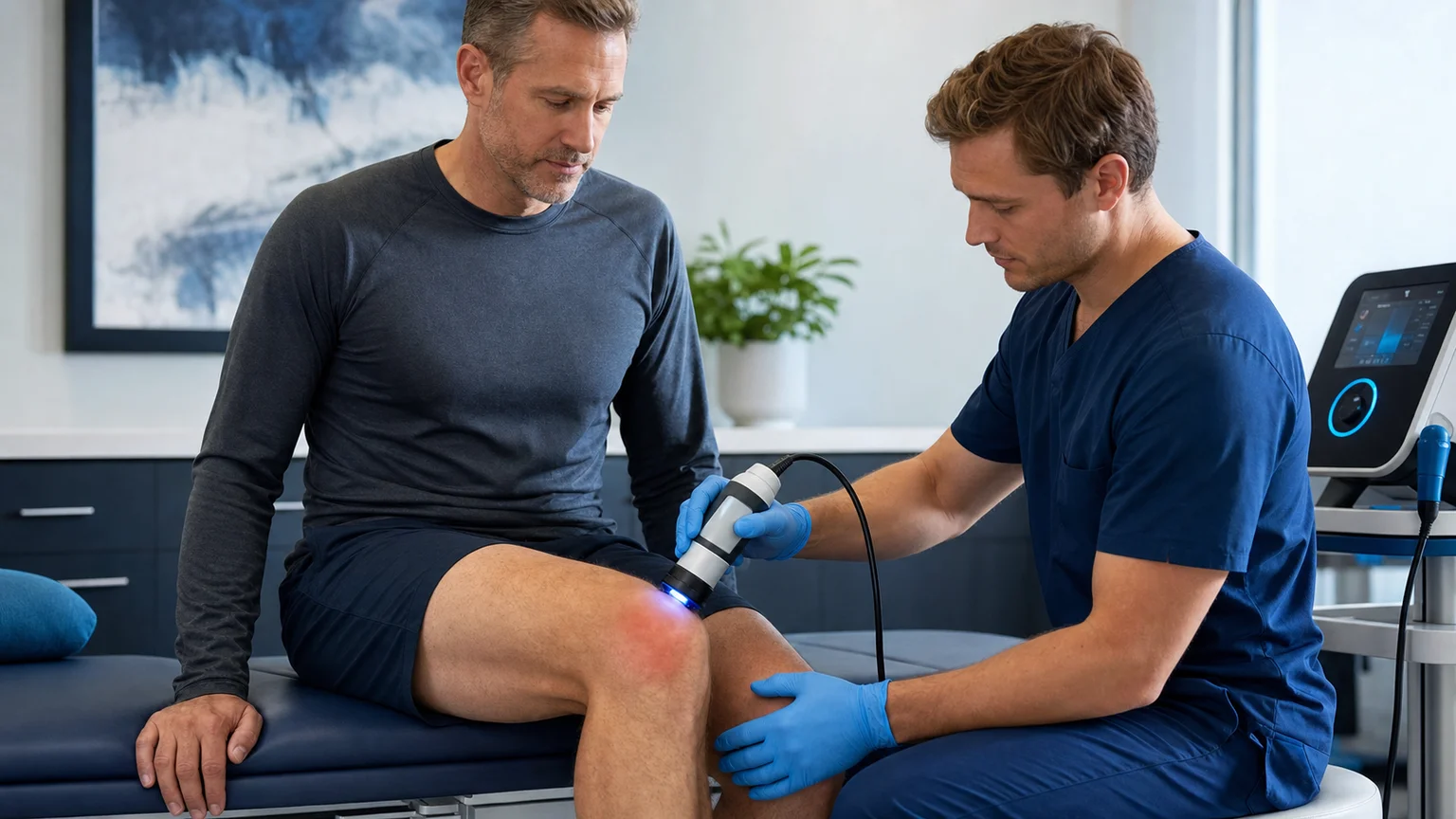
Living with chronic pain is exhausting. It shapes how you sleep, how you work, and how much you enjoy time with the people you care about. The good news is that you have more options than rest and a bottle of pills. Modern interventional medicine offers a range of targeted procedures built to calm pain at its source so you can get back to your life in Blue Springs, Overland Park, and across the Kansas City metro.
Understanding Pain Management
Pain management is a branch of medicine focused on reducing pain and restoring function for people living with chronic or acute discomfort. The goal is not to mask symptoms. It is to find the underlying cause and treat it directly, often through a combination of methods that may include medication, physical therapy, interventional procedures, and changes to daily habits.
At Core Medical Center, our medical team takes an integrated, whole-picture approach. We look at the underlying cause, then build a plan around your specific condition and goals rather than handing you a one-size-fits-all protocol. Many of the procedures below fall under our image-guided injection procedures program, where precise treatment does the heavy lifting, and they sit within our broader pain control services for the Kansas City metro.
Common Pain Management Procedures
Epidural Steroid Injections
Epidural steroid injections are one of the most widely used treatments for back and neck pain, especially when that pain radiates down the arms or legs. The injection places anti-inflammatory medication directly into the epidural space around the spinal nerves. By reducing inflammation right where it lives, this approach can deliver relief that lasts weeks or months.
Facet Joint Injections
The facet joints are the small joints that connect the vertebrae in your spine. When they become inflamed or arthritic, they can be a major pain generator. A facet joint injection delivers medication straight into the affected joint. It can both reduce inflammation and help confirm whether that joint is the true source of your pain.
Nerve Blocks
A nerve block involves injecting medication near a specific nerve or group of nerves to interrupt pain signals before they reach the brain. Nerve blocks serve two purposes. They can provide real relief, and they can help your provider pinpoint exactly where your pain is coming from, which sharpens the rest of your treatment plan.
Radiofrequency Ablation
Radiofrequency ablation, or RFA, is a minimally invasive procedure that uses heat generated by radio waves to target the nerves carrying pain signals. By disrupting those signals, RFA can offer long-lasting relief, particularly for patients dealing with arthritis or other degenerative conditions that wear on the joints and spine over time.
Trigger Point Injections
Trigger point injections treat the tight, painful knots that form when a muscle will not relax. These injections combine a local anesthetic and, in some cases, a corticosteroid to release the knot, ease muscle pain, and restore range of motion so you can move more freely.
What to Expect During a Procedure
Most pain management procedures are done on an outpatient basis, which means you go home the same day. Before anything begins, your provider reviews your medical history and walks you through the plan so there are no surprises. Many of these procedures use imaging guidance, such as fluoroscopy, to place the medication with precision.
During the procedure, you may receive a local anesthetic to numb the area. Most patients report minimal discomfort and return to normal activities within a day or two. You will leave with specific aftercare instructions designed to help you recover well and get the most out of your treatment.
Is Pain Management Right for You?
If you have been living with chronic pain that has not improved with conservative care like rest, medication, or physical therapy, interventional pain management may be the next step worth exploring. These procedures can help you lean less on pain medication, move better, and return to the activities that matter to you. Many of these treatments are especially effective for stubborn back pain that has not responded to other care.
The best way to know which option fits your situation is a conversation with a qualified provider. At Core Medical Center, we evaluate your condition, talk through the choices in plain language, and build a personalized plan aimed at lasting relief rather than a temporary fix.
Take the First Step Toward Relief
You do not have to let chronic pain run the show. With the right approach, real relief is within reach. If you are ready to understand your options, our team is here to help. Reach out to Core Medical Center to schedule a consultation at our Blue Springs or Overland Park location.
Frequently Asked Questions
How long does relief from a pain management injection last?
It depends on the procedure and your specific condition. Some injections, like epidural steroid injections, can provide relief for weeks or months, while radiofrequency ablation can offer relief that lasts much longer. Your provider will explain a realistic timeline for the procedure that fits your situation.
Are interventional pain procedures painful?
Most patients report only minimal discomfort. Your provider typically uses a local anesthetic to numb the area first, and many procedures take just a few minutes. Most people return to normal activities within a day or two.
Do I need a referral to see a pain management provider in Kansas City?
In many cases you can schedule directly without a referral, though it depends on your insurance plan. Our team at our Blue Springs and Overland Park locations can help you understand your coverage and what your plan requires before your first visit.
Will I be put to sleep for these procedures?
No. The vast majority of interventional pain procedures are done on an outpatient basis using a local anesthetic, so you stay awake and go home the same day. General anesthesia is rarely needed for these targeted treatments.
What if injections do not fully resolve my pain?
Injections are often one part of a larger plan. If a procedure does not give you the relief you hoped for, your provider may adjust the approach, combine it with physical therapy, or explore other options. The goal is lasting relief, so the plan evolves with your response to treatment.