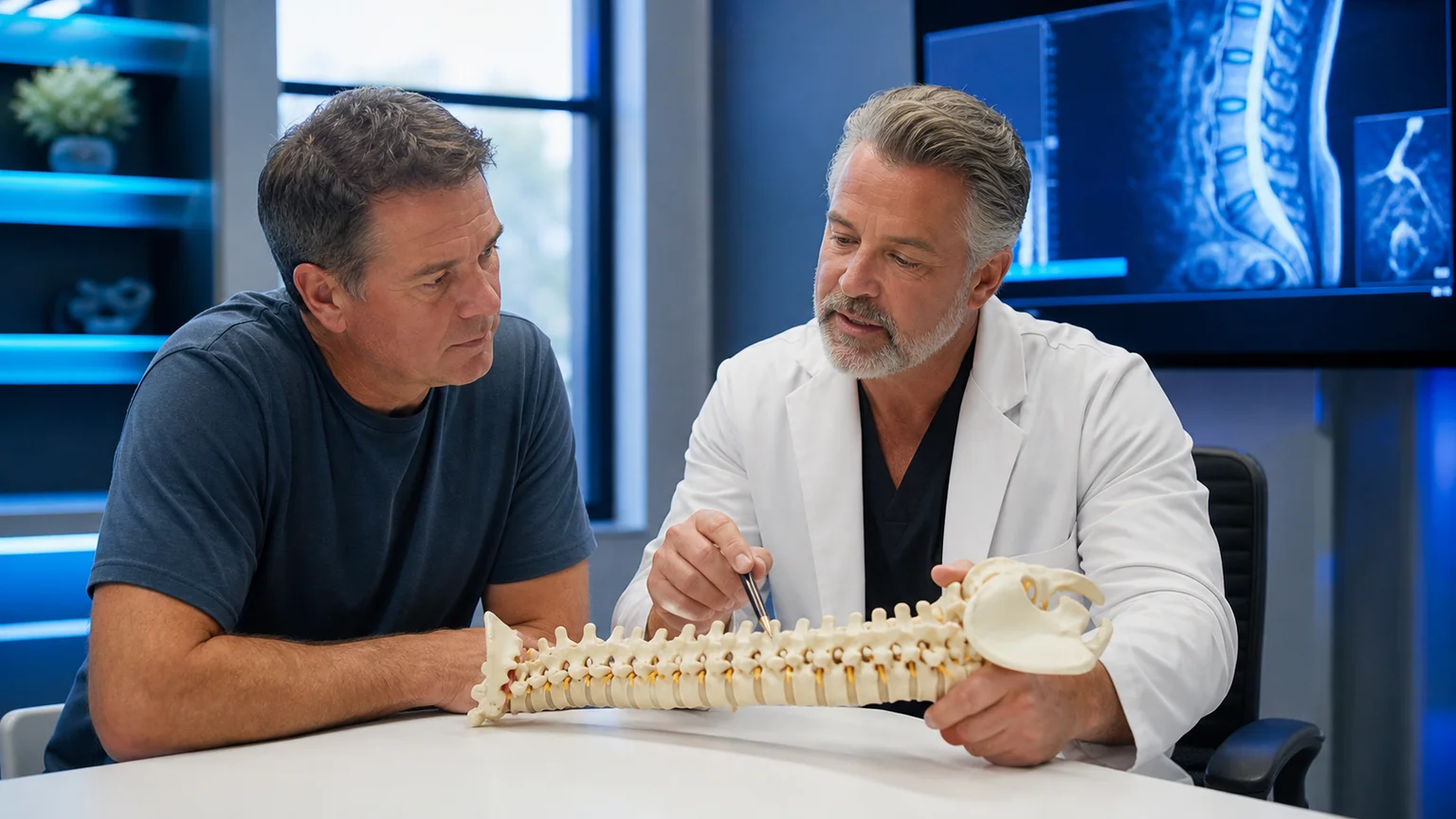

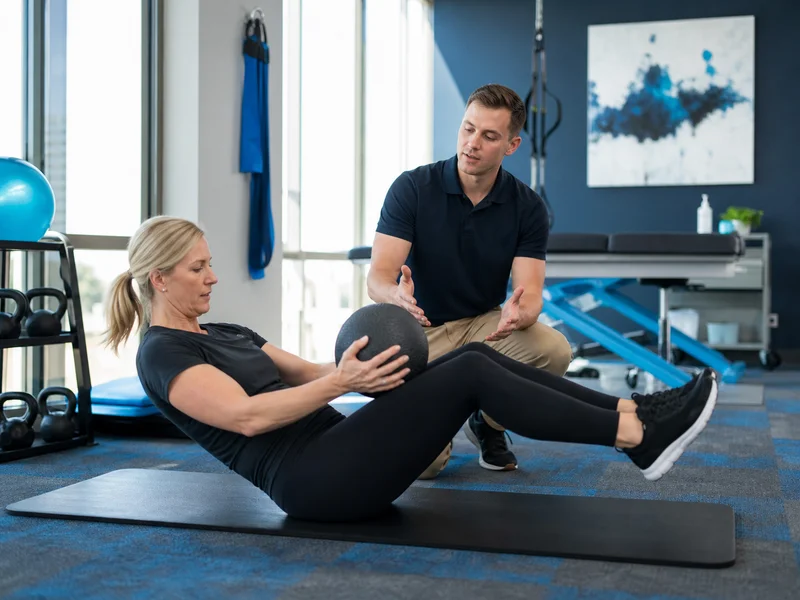
Post-laminectomy syndrome is ongoing or returning pain after spine surgery, most often a lumbar laminectomy. The operation is usually performed well and achieves its structural goal, yet pain can persist for other reasons: scar tissue forming around nerve roots, extra stress on the spinal segments above and below the surgical site, nerves that keep firing pain signals after the pressure is gone, and weakened supporting muscles. The good news is that non-surgical care helps many people reduce this pain and return to normal activity.
What Post-Laminectomy Syndrome Means
A laminectomy removes part of a vertebra called the lamina to relieve pressure on the spinal cord or nerve roots. Surgeons use it for spinal stenosis, herniated discs, and other problems that compress nerves. It is a common procedure, and for many people it works.
Sometimes, though, pain continues after healing. Or it fades for a while and then returns. When that happens in the lower back, your provider may record the diagnosis as post laminectomy syndrome of lumbar region. You may also hear the older name, failed back surgery syndrome. That label is misleading. It does not mean your surgeon made a mistake or that the operation was pointless. It means your pain has outlasted the problem the surgery was designed to fix, and it now needs its own treatment plan.
Why Pain Can Persist After a Successful Operation
Decompression surgery solves a mechanical problem. Something was pressing on a nerve, and now it is not. But pain has more than one driver, and surgery only addresses one of them. Common reasons pain after laminectomy continues include:
- Scar tissue. Your body builds scar tissue as it heals. When it forms around a nerve root, a change called epidural fibrosis, it can tether or irritate the nerve.
- Adjacent segment stress. When surgery changes how one level of the spine moves, the levels above and below absorb more load. Over time, those joints and discs can become new pain sources.
- Nerve changes. A nerve that was compressed for months or years can stay irritable after decompression. It may keep sending pain signals even though the pressure is gone.
- Remaining or returning problems. A disc can herniate again. Stenosis can develop at another level. Arthritis in the small facet joints can progress on its own timeline.
- Deconditioning. Pain before and after surgery leads many people to move less. Weak core, hip, and back muscles leave the spine with less support, which feeds the pain cycle.
Often several of these factors are at work at once. That is why a careful evaluation matters more than any single scan or test.
How Post-Laminectomy Pain Usually Feels
The pain looks different from person to person, but some patterns come up again and again:
- A dull, deep ache across the lower back that never fully leaves
- Burning, stabbing, or electric pain that travels into the buttock or leg
- Stiffness that is worse in the morning or after sitting
- Pain that improved after surgery, then crept back over months
- Pain that feels different from what you had before the operation
Some people notice their leg pain resolved but chronic back pain remained. Others have the reverse. Either pattern is worth reporting, because the common causes of back pain after surgery each point toward different treatments.
Non-Surgical Ways to Manage the Pain
A second operation is rarely the first answer. Revision surgery has its place when imaging shows a clear structural problem, but many people improve with conservative care. Options your provider may discuss include:
- Physical therapy. Guided exercise rebuilds the strength and flexibility your spine relies on. Evidence supports physical therapy for low back pain, including targeted core and hip strengthening, graded movement, and posture work.
- Medical pain management. A structured pain management plan can calm irritated nerves and reduce flare-ups, so you can participate in rehab instead of just enduring it.
- Gentle manual therapy. After surgical healing is complete and your surgeon clears you, careful hands-on care can address stiff joints and tight muscles around the surgical site.
- Activity pacing and movement habits. Learning how to lift, sit, and rest without provoking symptoms keeps small setbacks from becoming big ones.
- Mind-body approaches. Research on chronic pain shows that stress, sleep, and mood shape how loudly pain signals register. Addressing them is not optional extra credit. It is part of treatment.
No single option fixes everything. The combinations matter, and the right mix depends on what is actually driving your pain.
When to Get Evaluated
Call your surgeon or seek urgent care right away if you develop fever, new leg weakness, numbness in the groin, or changes in bowel or bladder control after spine surgery. Those symptoms need immediate attention.
For everything else, use a simple rule: back pain that lingers past your expected recovery window, or returns after a good stretch, deserves a fresh evaluation. Waiting rarely improves the picture. A medically directed pain control clinic can examine you, review your imaging and surgical history, and map out what is driving the pain now, not what was driving it before your operation.
Frequently Asked Questions
What Is Post-Laminectomy Syndrome of the Lumbar Region?
It is the diagnostic term for persistent or recurring pain in the lower back after a laminectomy or similar decompression surgery. The wording comes from the coding language providers use in medical records. It describes the pain pattern, not a judgment about how well your surgery was performed.
How Soon After Surgery Can It Appear?
There is no fixed timeline. Some people never get full relief after the procedure, while others feel much better for months before pain returns. Because normal surgical healing also causes discomfort, providers usually wait until you are past the expected recovery period before considering this diagnosis.
Does Post-Laminectomy Syndrome Mean My Surgery Failed?
No. In many cases the surgery did exactly what it was meant to do and relieved the pressure on the nerve. Pain persists because of other factors, such as scar tissue, changes in nearby spinal segments, or nerves that remain sensitized. That is a treatable condition, not a verdict on your surgeon.
Can It Be Treated Without Another Operation?
Often, yes. Physical therapy, medical pain management, gentle manual care, and lifestyle changes help many people reduce pain and rebuild function. Revision surgery is generally reserved for cases with a clear structural cause on imaging. Talk with a provider about which path fits your situation.
Is It Safe to See a Chiropractor or Physical Therapist After Spine Surgery?
For most people, yes, once the surgical site has healed and your surgeon has cleared you for care. Providers experienced with post-surgical spines use gentler techniques and adapt treatment to your anatomy. Bring your operative report and imaging so your care team knows exactly what was done.
If your back still hurts after surgery, you do not have to accept it as permanent or figure it out alone. Core Medical Center is an integrated medical clinic with medical providers, chiropractors, and rehabilitation specialists working together under one roof, so your evaluation and treatment stay coordinated. Same-week appointments are typically available at our Blue Springs clinic, serving the Greater Kansas City metro, with a second location in Overland Park, Kansas. Bring your surgical history, and let’s find out what is driving your pain now.