
Lower back pain can be hard to pin down when the symptoms shift from one day to the next. Some people feel a dull ache after sitting too long. Others notice a sharp catch after lifting, stiffness first thing in the morning, or discomfort that travels into the hip or leg. For many people across the Kansas City metro, the pain starts to affect work, sleep, and exercise long before they understand what is actually driving it.
At Core Medical Center we help patients look past the surface of the pain. A careful evaluation can show whether the problem is coming from muscles, joints, discs, nerves, inflammation, posture, or an old injury that never fully healed. You can read more about our approach to low back pain and start there if you want the full picture.
Why Lower Back Pain Can Have More Than One Cause
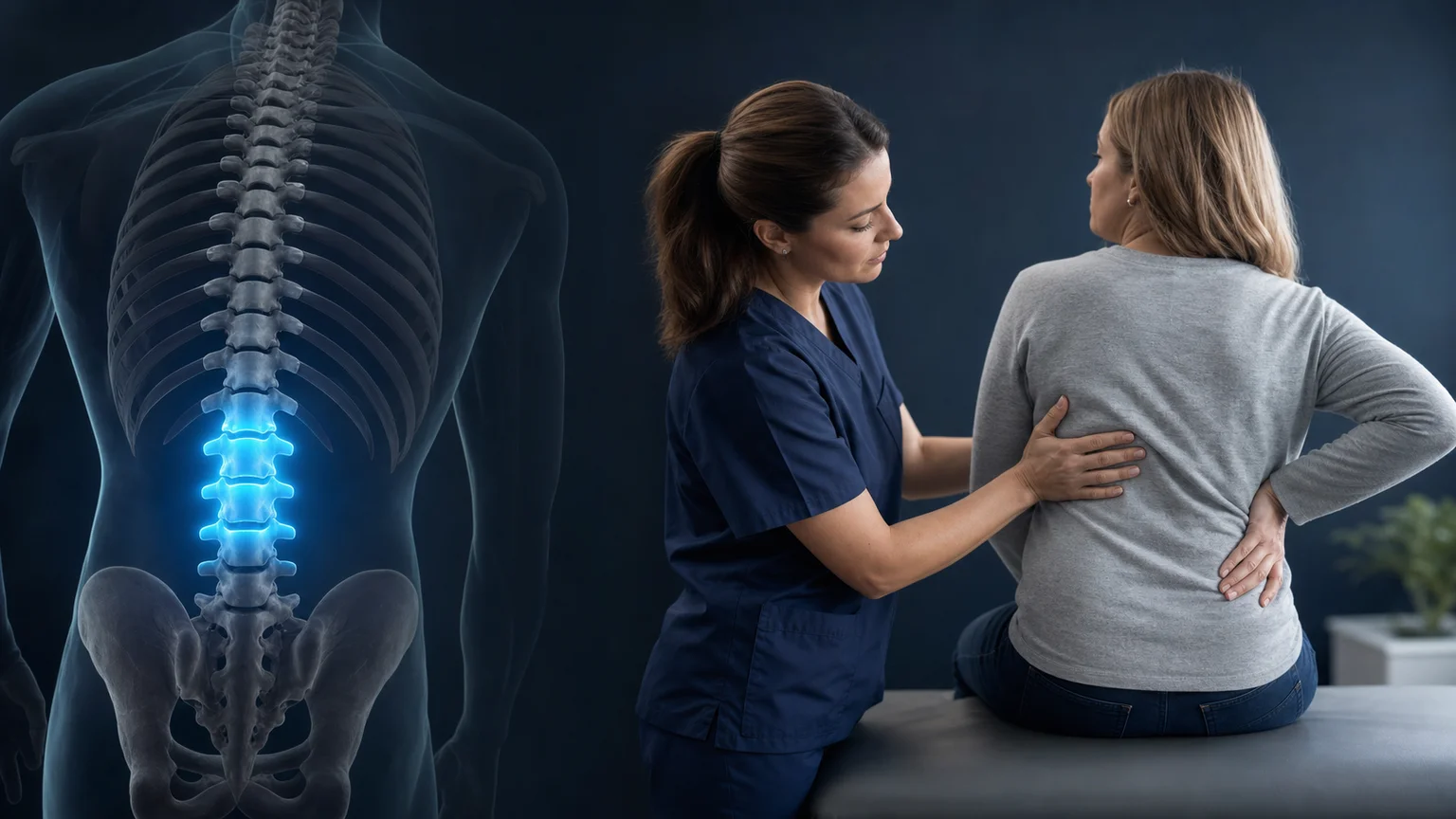
The lower back carries your body weight, absorbs pressure, and transfers movement between the upper body and the legs. Because it does so much, pain in this area can come from several structures at the same time.
Common contributors include muscle strain, disc irritation, stiff spinal joints, arthritis, nerve compression, poor lifting mechanics, and previous injuries. Sometimes the trigger is obvious. Other times the pain builds slowly through repeated stress from long drives, desk work, physical labor, or uneven movement patterns. That is why care should start with a clear look at how the symptoms behave and which tissues seem to be involved.
What Happens When Back Pain Lingers
Pain is more than a signal from one sore spot. When tissue becomes irritated, nerves carry that message through the spinal cord to the brain. If the signals continue, the body can stay in a protective state longer than it needs to.
That guarding can increase muscle tension, limit range of motion, and make everyday movement feel less predictable. The nervous system may also become more sensitive, which can affect sleep and stress and make the painful area feel more reactive. This is one reason chronic back pain feels different from a simple strain. It does not mean the pain is imagined. It means the nerves, muscles, joints, and daily habits may all be feeding the pattern.
Common Causes in Active Adults
Many adults around Kansas City move all day between work, family, exercise, and commuting. Those demands place repeated pressure on the lower spine, especially when the hips and core are not carrying their share of the load.
Disc Pressure and Nerve Irritation
The discs between the vertebrae act as cushions. When a disc bulges or presses near a nerve root, the pain can spread beyond the lower back into the buttock, thigh, calf, or foot. Some people also notice tingling, numbness, or weakness. These signs matter, because nerve involvement can change the kind of care that helps.
Joint Stiffness and Arthritis
The small joints of the spine guide movement. Over time they can stiffen or become irritated from age-related changes, repetitive stress, or old injuries. That often shows up as aching, reduced mobility, or pain that feels worse after standing, walking, or leaning backward, and it usually needs more than rest alone.
Muscle Guarding and Weak Support
When the body senses pain, the surrounding muscles tighten to protect the area. That is helpful for a short while, but it can create more tension when it drags on. Weak core support, tight hips, and poor lifting habits keep stress on the lower back and can turn a minor strain into a stubborn problem.
Red Flags You Should Not Ignore
Most low back symptoms are not emergencies, but some deserve prompt attention. Get evaluated sooner if the pain follows a fall, a workplace injury, an auto accident, or a sudden twist. You should also seek help if you notice:
- Pain traveling down one or both legs
- Numbness, tingling, or weakness
- Trouble walking, standing, or bearing weight
- Pain that keeps getting worse
- Fever or unexplained weight loss along with the back pain
One symptom calls for urgent care right away rather than a routine visit: loss of bladder or bowel control alongside back pain. That combination can signal nerve compression that needs to be addressed immediately.
Local Care in Blue Springs and Overland Park
When pain makes driving uncomfortable, a nearby clinic makes a real difference. Our Blue Springs office at 1131 W Main St., Suite C, Blue Springs, MO 64015 serves people near Main Street, 7 Highway, Adams Dairy Parkway, Grain Valley, and eastern Jackson County. Our Overland Park office at 10520 Barkley St #120, Overland Park, KS 66212 is convenient for College Boulevard, Metcalf Avenue, Corporate Woods, and the surrounding Johnson County communities.
What to Expect During an Evaluation
A strong first visit should answer practical questions. What is likely causing the pain? Which structures are involved? Is there nerve irritation? Which movements make it better or worse? Our team takes time to review your symptoms, history, posture, movement, strength, and nerve signs, and we use diagnostic testing when it will guide the next step.
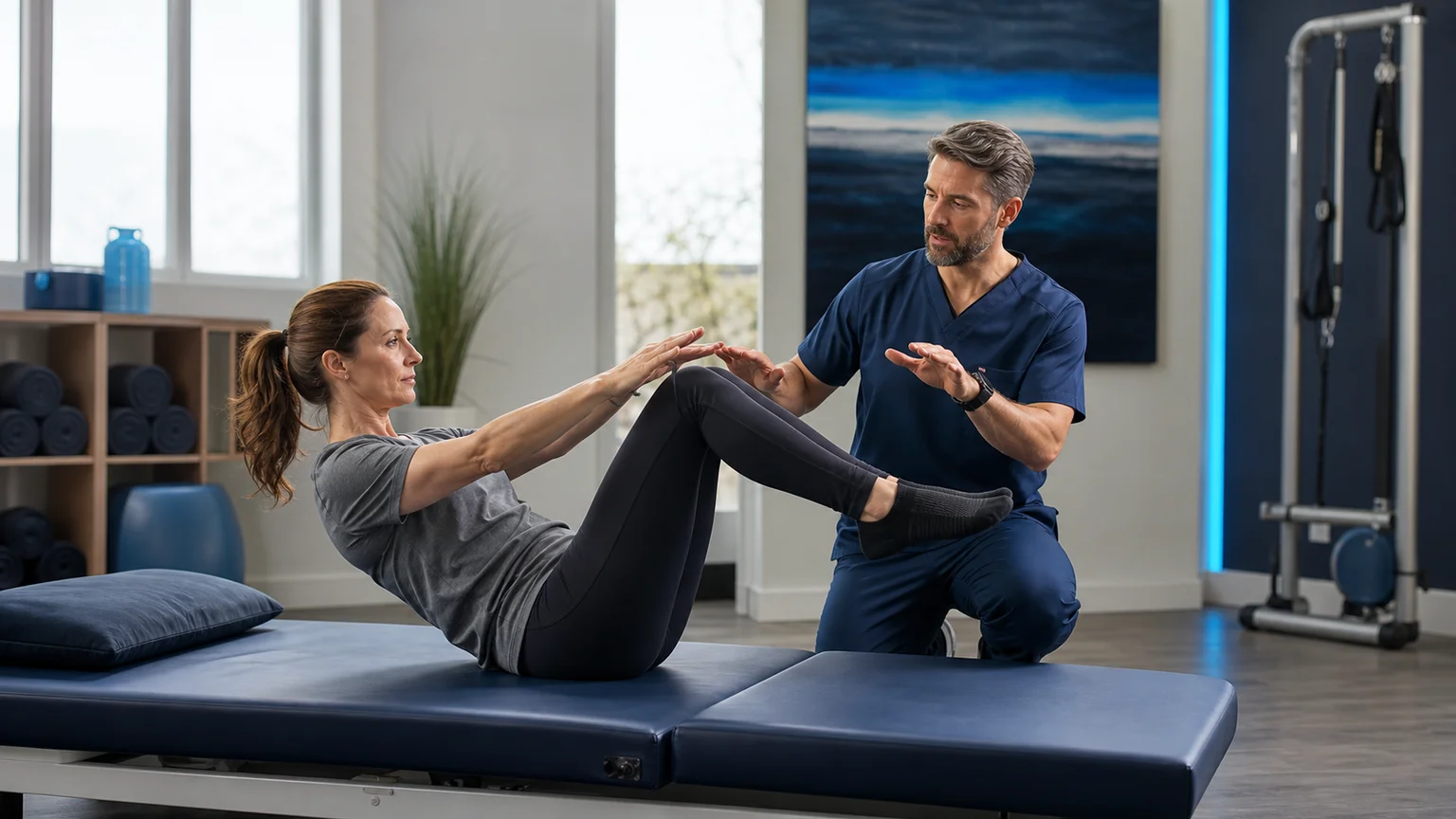
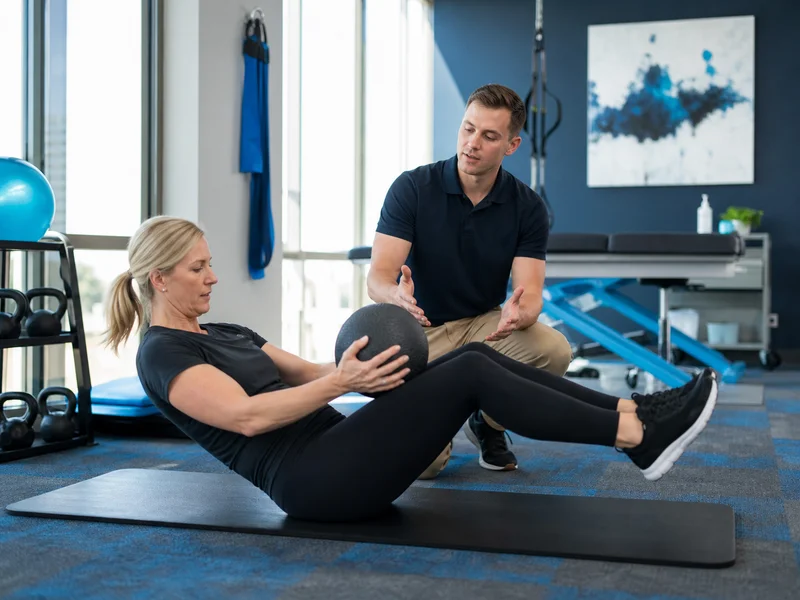
When the pain has lasted for weeks or keeps coming back, a structured chronic back pain treatment program can target the specific tissues and movement patterns driving the problem. Care may include physical rehabilitation, chiropractic services, injury rehabilitation, or a coordinated pain management plan that brings several of these together. Because we keep these services under one roof, we can adjust the plan as you progress instead of sending you across town from one specialist to the next. That continuity matters when chronic pain has not improved with rest, stretching, or general advice.
Lower back pain often affects more than the spine, so understanding how it behaves and how it limits your day is the real starting point. If pain keeps returning, travels into the leg, or changes how you move, reach out to our Blue Springs or Overland Park team when you are ready to take the next step.
Frequently Asked Questions
What are the most common causes of lower back pain?
Most lower back pain traces back to muscle strain, disc irritation, stiff or arthritic spinal joints, nerve compression, or weak core and hip support. Often more than one of these is involved at the same time. A careful evaluation helps identify which structures are driving your pain so care can target the real source rather than just the symptoms.
When should I see a doctor for lower back pain in Kansas City?
See a provider if your pain follows a fall, workplace injury, or auto accident, if it travels down one or both legs, or if it keeps getting worse instead of easing over a week or two. Numbness, tingling, weakness, or trouble bearing weight are also reasons to get checked. Loss of bladder or bowel control with back pain calls for urgent care right away.
How long should lower back pain last before it is a concern?
Many simple strains improve within a few days to a couple of weeks with movement and gentle activity. Pain that lingers beyond that window, returns often, or starts limiting your sleep and daily routine is worth a professional evaluation. Addressing it early usually makes recovery more predictable than waiting for it to resolve on its own.
Can lower back pain be treated without surgery?
Yes. Most lower back pain responds well to conservative, nonsurgical care such as guided rehabilitation, chiropractic treatment, targeted strengthening, and a structured chronic back pain treatment program. The goal is to calm the irritated tissues, restore movement, and rebuild the support your spine needs so the pain is less likely to return.
Do you treat patients near Blue Springs and Overland Park?
Yes. Our Blue Springs office on W Main St. serves Grain Valley, Adams Dairy Parkway, and eastern Jackson County, while our Overland Park office near College Boulevard and Corporate Woods is convenient across Johnson County. Keeping evaluation and treatment under one roof at a nearby location makes care easier when driving is uncomfortable.